How to Check Font, Spacing, and Visibility Before Fitting Your Number Plates
Fitting a new set of number plates might seem straightforward, but a surprising number of plates fail their first vehicle inspection because of small, avoidable errors. The three areas that cause the most trouble are the font, the spacing of the characters, and the overall visibility of the plate once it is mounted. Each of these is regulated by law in the UK, and getting them wrong can mean an MOT failure, a fine, or even the need to buy a replacement plate. This article walks through the practical checks you can do at home, before you drill or stick anything, so that your plates are legal and readable from the moment they are fitted.
Start with the Font: It Is Not Just About Style
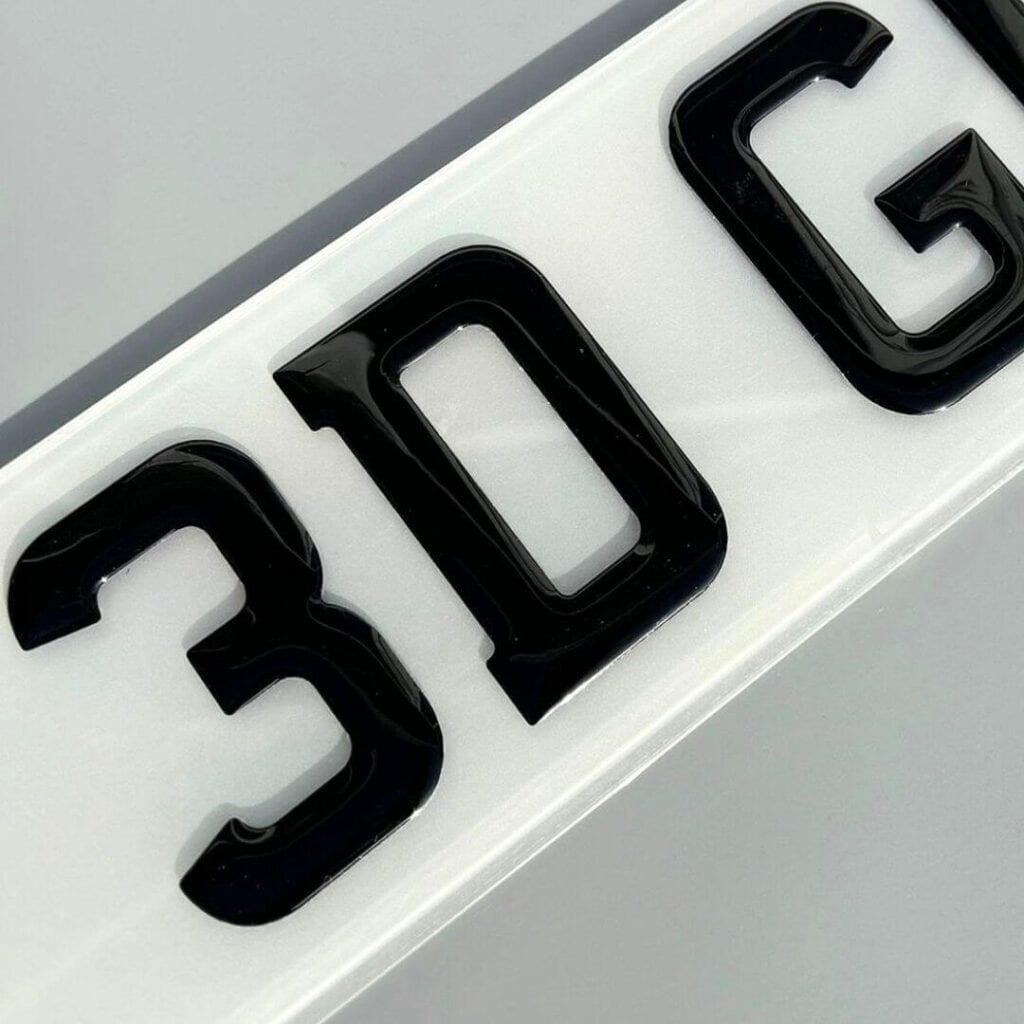
The font used on a UK number plate is not a matter of personal taste. The law requires a specific typeface known as Charles Wright, which was designed to be read easily by both humans and automatic number plate recognition (ANPR) cameras. Any deviation from this font, even a subtle one, makes the plate non-compliant. When you receive a new plate, the first check is to compare the printed characters against the standard. The Charles Wright font has distinctive features: the letter 'O' is almost perfectly round, the 'Q' has a small tail, the 'I' is simple and without serifs, and the number '1' is a plain vertical line without a base or hook. If the letters look too modern, too condensed, or too fancy, the plate is likely using a non-approved font.
You should also check that all characters on the plate are the same font. A common mistake happens when a supplier uses a standard font for the main registration mark but a different one for the small legal text (the manufacturer's name and the British Standard number). While the small text is not part of the registration mark, it must still be in a legible, non-decorative typeface. If the small text is in a script or italic style, the plate may fail an inspection. The safest approach is to order plates from a supplier that explicitly states it uses the Charles Wright font. A reputable UK number plate supplier will always use the correct typeface and will display the British Standard mark on the plate itself.
Character Spacing: The Rule of Thumb
Spacing is the area where most home-fitted plates go wrong. The law sets out precise gaps between characters and groups of characters. For a standard UK registration mark, the format is two letters, two numbers, then three letters. There must be a clear gap of 11 millimetres between each character within the same group, and a larger gap of 33 millimetres between the groups. This means the space between the second letter and the first number must be wider than the spaces between the other characters. Many people try to centre the text or adjust the spacing to make the plate look more balanced, but that almost always leads to a non-compliant plate.
To check the spacing, lay the plate flat on a table and measure the gaps with a ruler. If the gap between groups is too small or too large, the plate is illegal. Another common spacing error involves using a plate that has a flag or a symbol (such as the Union Jack or a Euro symbol) on the left side. If the symbol is placed too close to the registration mark, it can confuse the spacing rules. The symbol must be separated from the registration mark by a clear space of at least 11 millimetres, and it cannot be positioned so that it looks like part of the registration number. If you are unsure, compare your plate with a known compliant plate from the same supplier, or check the guidance on the government's website. A good UK number plate supplier, such as numberplatemaker.uk, will design the plate so that the spacing is built into the template, but it is still worth double-checking before you fit it.
Plate Visibility: What Does the Law Expect?
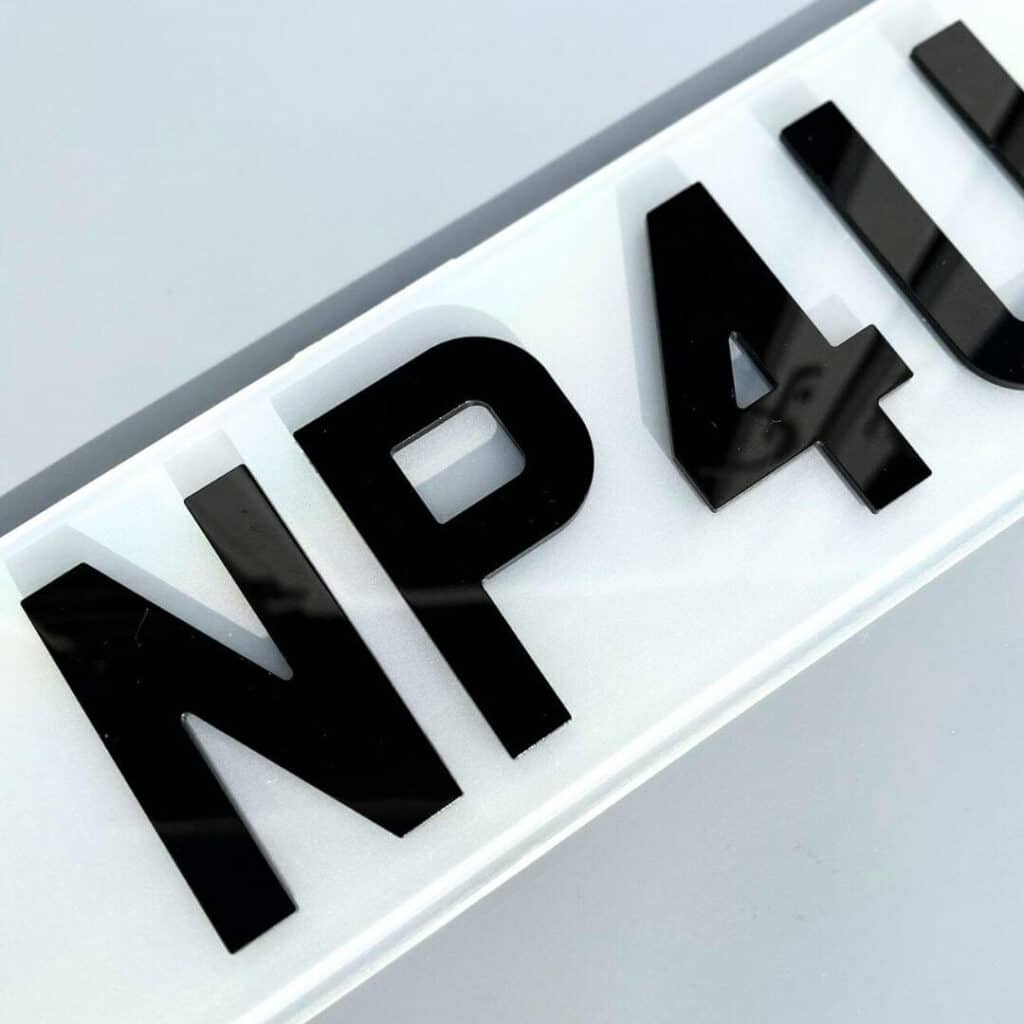
Visibility is about more than just being able to read the plate from a distance. The plate must be clearly visible from the front and rear of the vehicle, and it must not be obstructed by any part of the car's bodywork, a tow bar, a bike rack, or even a dirty lens. The law states that the plate must be readable from 20 metres away under normal daylight conditions. That means the characters must be a certain height (79 millimetres for the standard font) and the background must be reflective. The reflective background is what makes the plate visible at night when headlights shine on it. If the reflective layer is scratched, faded, or peeling, the plate will fail an MOT.
Before you fit the plate, hold it up to the light and look for any bubbles, scratches, or uneven areas on the reflective surface. Also check that the plate is flat. A plate that has been bent during storage or transit will not sit flush against the vehicle, and the distortion can make the characters look uneven from certain angles. If the plate is curved to fit a specific mounting point (some older cars have curved rear panels), it must still meet the visibility requirements when mounted. You can test this by placing the plate on the vehicle without fixing it and standing a few metres back. If the characters look distorted or if part of the plate is hidden by a bumper or a trim piece, you need to adjust the mounting position or choose a different plate size.
Secure Fixings: More Than Just Not Falling Off
Once you are happy with the font, spacing, and visibility, the next step is to think about how the plate will be attached. The law does not specify a particular method, but the plate must be securely fixed so that it cannot move, rattle, or fall off while the vehicle is in motion. Common fixing methods include double-sided adhesive pads, screws, or a combination of both. If you use screws, make sure they are not placed through the characters or the reflective area. Screws should go through the outer edges of the plate, ideally into pre-drilled holes that the supplier has provided. If you drill your own holes, be careful not to crack the acrylic. A cracked plate is not legal, even if the crack is small.
For adhesive pads, clean the mounting surface thoroughly before applying the plate. Any dirt, grease, or wax will prevent the pad from bonding properly, and the plate may come loose on a hot day or after a car wash. Once the plate is attached, give it a gentle tug to make sure it is secure. If it moves at all, remove it and reapply with fresh pads. Do not reuse old pads, as they lose their grip over time. Also check that the plate is level. A tilted plate looks unprofessional and can cause the characters to appear uneven, which may lead to an MOT failure. Use a spirit level if you want to be precise.
The Final Check: A Visual Walkaround
After the plate is fitted, do a full walkaround of the vehicle. Stand directly in front of the car and behind it, then move to the sides. Look for any reflections or glares that make the plate hard to read. Sometimes a plate that looks fine in the garage will become unreadable under certain street lighting or when the sun hits it at a low angle. If you notice a glare problem, it may be due to the angle of the plate. Adjust the mounting slightly if possible, or consider a plate with a matte finish on the border. Also check that the plate is not obscured by any accessory such as a front parking sensor, a dash cam, or a grille guard. Even a small obstruction can hide a character and make the plate illegal.
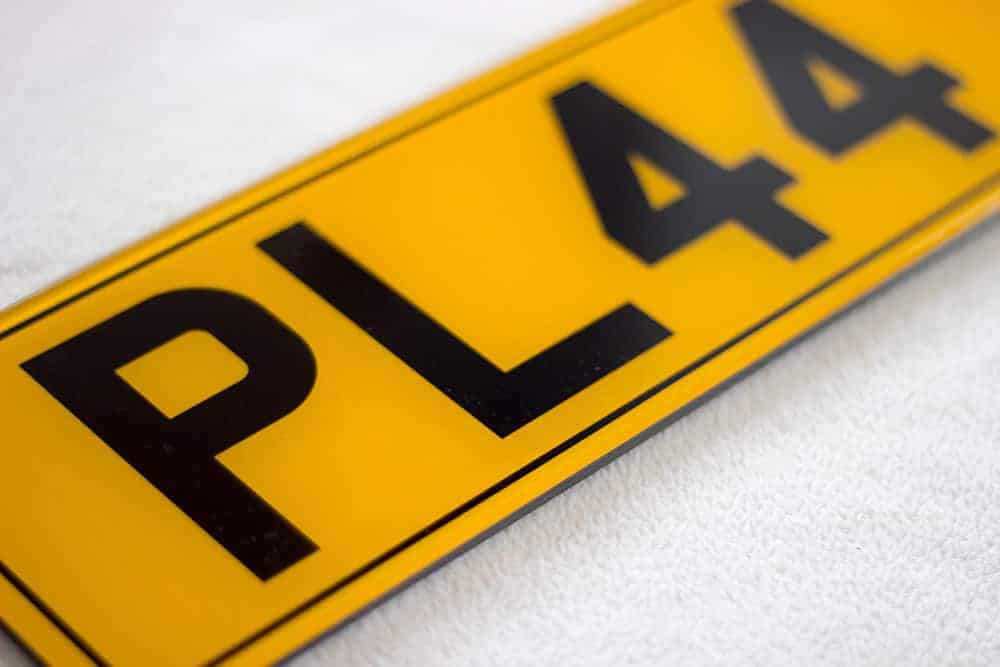
Finally, check the small print on the plate itself. Every legal UK number plate must display the name and postcode of the supplier, along with the British Standard number (BS AU 145e or the current equivalent). This information is usually printed in a very small font at the bottom of the plate. If this text is missing, the plate is not compliant and cannot be used on a public road. If you ordered the plate from a supplier that provides this information, it is likely correct, but it is worth checking that the supplier's details are legible and match what you ordered. A reliable UK number plate supplier like numberplatemaker.uk will include these details as standard, but you should still verify them before you drive anywhere. Once all these checks are done, you can be confident that your plates are legal, safe, and ready for the road.